How this was made
The data. Open Library, the Internet Archive’s open catalogue of books, publishes its readers’ reading log as a dump: every book someone has put on a shelf, the shelf and the day, with no names or ids. This page reads the dump of 30 September 2026: 12,961,546 entries on 3.3 million works, 10,655,319 of them on Want to Read, 1,691,633 on Already Read, 612,675 on Currently Reading and 1,919 on Stopped Reading. Each entry is one reader’s book on one shelf, so a book’s count on a shelf is a count of people; with no ids, nobody can be followed from one book to the next.
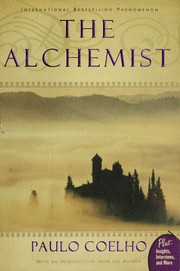
The cleaning. Open Library merges records it finds to be one book, and 146,334 entries were on records merged since: they count on the record they went to, from its dump of redirects. Many books are still there as more than one record, so records Kabook’s catalogue takes for one book count as one: the same title before any colon and the same author, unless their subtitles name two books, as Dog Man’s do. Think and Grow Rich, for one, is three records. Summaries, study guides, workbooks and journals are left out, and so are box sets of a series and books Kabook’s catalogue does not carry, as none of their editions has an ISBN. The one book with the numbers for the list that is left out is Um casamento arranjado, with 20,776 on Want to Read: Kabook’s catalogue does not carry it. The top 50 were checked by hand against Kabook’s catalogue for their titles, authors and covers; where readers know a book by another title or name than the catalogue’s, the page uses that one, as with The Alchemist.
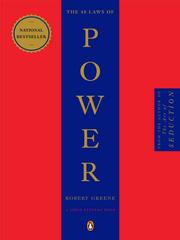
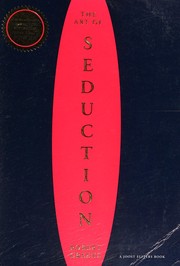
The ranking. Books are ranked by the gap: how many more people have a book on Want to Read than on Already Read, from 500 on Want to Read; Currently Reading counts on neither side. Ranked instead by the share who have read it, smallest first, the top is books few people know, led by Franz Kafka’s Briefe an Milena, with 560 on Want to Read and four who have read it, where a handful of readers decide the order. The gap is steadier and names the books the most people are waiting on, and each row then says how few have read it. The smallest share on the list is The Art of Seduction’s: 1 in 55.
What it is not. These are Open Library’s readers, not all readers. Many come to borrow a book from its lending library, students come for the books they are set, and classics weigh heavily. Want to Read is the first button on every book’s page there, a single tap, while Already Read counts only the readers who came back to say they finished. So the gap says as much about how people use the shelves as about what they read. Stopped Reading has 1,919 entries in all, too few to say which books people give up on.
The numbers. A script in Kabook’s repository reads the dumps of 30 September 2026 (the reading log, the ratings, the redirects, the works and the authors) and writes every number on this page. Each book’s counts, and its rating where 50 people or more rated it, are in a JSON file.